


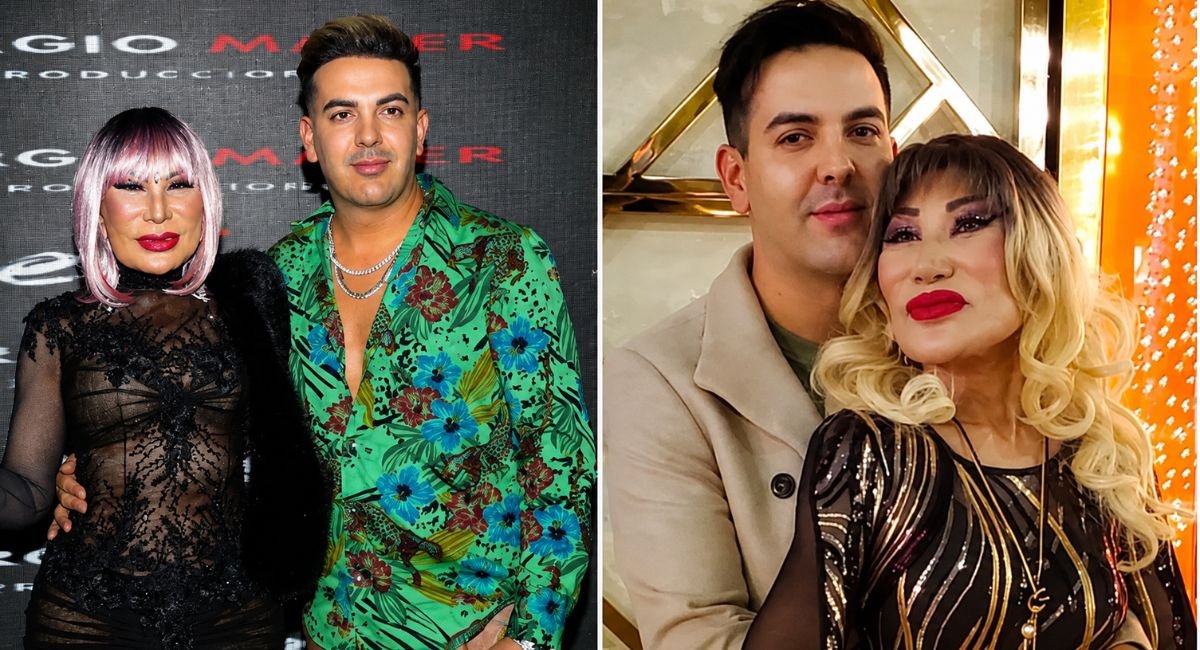
Who Was Antonio Chi Su?
Antonio Chi Su was a restaurateur of Chinese family heritage who lived and worked in Mexico City and became widely known through his marriage to Mexican vedette, dancer, and actress Lyn May. Unlike his famous spouse, Antonio was not primarily an entertainment personality. Historical reporting shows that he had an identity of his own within Mexico City’s restaurant business and Chinese community long before modern celebrity websites began writing biographies about him.
Interest in Antonio Chi Su today usually comes from people searching for Lyn May’s husband, their marriage, his restaurant career, his family background, and the circumstances of his death. Yet much of his early biography remains undocumented publicly. His exact birth date, age, education, parents’ names, and complete family history have not been established by strong public records.
What can be verified presents a more interesting picture than many modern profiles suggest: a businessman connected to Mexico City’s historic Chinatown, restaurant culture, Chinese community celebrations, and one of Mexican entertainment’s most recognizable performers.
Antonio Chi Su’s Public Identity and Background
One of the strongest historical references to Antonio comes from the Mexican newspaper La Jornada. In a 1999 report about Chinese culture in Mexico City, the newspaper identified Antonio Chi Su as a restaurateur and descendant of a Chinese immigrant who had operated a café called El Progreso in the Colonia Guerrero area. The report also connected Chi Su with the organization and promotion of Chinese New Year festivities.
This contemporary reference is important because it discusses Antonio independently from the later celebrity stories surrounding Lyn May.
It establishes that his Chinese family background was not merely something invented by modern biography sites. At the same time, the evidence does not establish his exact birthplace, nationality at birth, parents’ names, or a specific immigration story for Antonio himself. Describing him simply as “born in China” or “born in Mexico City to Chinese parents” goes further than the strongest available evidence supports.
A more accurate description is that Antonio Chi Su was a Mexico City restaurateur descended from Chinese immigrants.
What Is Known About Antonio Chi Su’s Parents and Siblings?
Reliable public information about Antonio Chi Su’s parents and siblings is extremely limited.
La Jornada provides a useful piece of family history by linking him to an earlier Chinese immigrant who operated El Progreso, but it does not give enough information to construct a complete family tree.
Therefore, websites that supply detailed names, professions, childhood experiences, or stories about his parents and siblings without primary documentation should be treated cautiously.
Antonio Chi Su’s Career in the Restaurant Business
Antonio’s professional identity is one of the best-documented parts of his biography.
A historical study published in Diacronías, a Mexican history journal, discusses restaurant development in Mexico City’s Barrio Chino. It records that Antonio Chi Su helped direct the restaurant 4 Mares on Calle Dolores, one of the establishments associated with the neighborhood’s changing restaurant culture. The study also notes that 4 Mares became particularly well known because of Antonio’s marriage to entertainer Lyn May, whose name is rendered as “Ling May” in the publication.
This provides stronger historical evidence than the vague claim that Antonio was simply a “businessman.”
He was specifically involved in the restaurant industry.
Modern entertainment coverage also frequently associates Antonio and Lyn May with a restaurant business in Mexico City. Milenio describes him as an entrepreneur whom May met around 1980 and states that they later opened a restaurant together.
Some reports refer to his restaurant interests under the name Siete Mares, while the historical Diacronías study specifically documents his involvement with 4 Mares on Calle Dolores. Because the public sources are not perfectly consistent about the names and extent of his restaurant holdings, it would be misleading to present every restaurant claim as equally established.
Antonio Chi Su and Mexico City’s Chinese Community
Antonio’s career also appears to have extended beyond serving customers.
The 1999 La Jornada report described him as one of the promoters of Chinese New Year celebrations and quoted him discussing the history of Chinese businesses around central Mexico City.
That detail gives his public identity more depth. He was not simply a celebrity spouse attached to Lyn May’s biography; contemporary reporting placed him within the social and commercial history of Mexico City’s Chinese community.
A later historical examination of the Barrio Chino likewise describes the growing importance of restaurants and public Chinese New Year celebrations in transforming Calle Dolores into a more visible cultural and commercial destination.
Antonio Chi Su and Lyn May’s Relationship
The relationship between Antonio Chi Su and Lyn May is the main reason his name remains widely searched.
Lyn May, born Lilia Guadalupe Mendiola Mayares, became one of Mexico’s recognizable vedettes and was especially associated with the country’s 1970s and 1980s entertainment scene. Her career included dance, cabaret, film and television appearances.
Sources generally agree that she met Antonio during the 1980s, but the precise marriage timeline is less consistent.
Milenio reports that the pair met around 1980 and married in 1988, while other publications give 1989 as the marriage year.
Because of that discrepancy, describing their marriage as beginning in the late 1980s is safer than pretending every source provides an identical date.
Their relationship combined personal and business connections. Entertainment reporting says they became involved in restaurant ventures together, while the historical Diacronías study confirms that Antonio’s marriage to Lyn May became closely associated with the visibility of the 4 Mares restaurant.
Did Antonio Chi Su and Lyn May Have Children?
This is an area where online biographies frequently become unreliable.
Lyn May had children before her relationship with Antonio, but strong public documentation does not clearly establish that Antonio Chi Su and Lyn May had biological children together.
For that reason, claims giving Antonio a precise number of sons or daughters should not be repeated as confirmed fact without stronger evidence.
Antonio Chi Su Family and Relationship Table
| Person or Connection | Relationship to Antonio Chi Su | Publicly Supported Information |
|---|---|---|
| Lyn May | Wife | Mexican vedette, dancer and actress; married Antonio in the late 1980s |
| Chinese immigrant ancestor | Family ancestor | La Jornada reported that Antonio descended from a Chinese immigrant associated with Café El Progreso |
| Parents | Not publicly established | Reliable names and biographies have not been confirmed |
| Siblings | Not publicly established | No dependable public record located |
| Children with Lyn May | Not clearly established | Public reporting is inconsistent, so a biological child should not be assumed |
| Mexico City Chinese community | Cultural/business connection | Antonio was publicly connected with restaurant activity and Chinese New Year celebrations |
Antonio Chi Su’s Illness and Death
One of the more consistently reported parts of Antonio’s later life concerns his health.
Multiple Mexican and Latin American entertainment sources report that Antonio Chi Su was diagnosed with prostate cancer in 2004. He lived with the illness for several years before dying in 2008. Milenio also repeats the 2004 diagnosis and 2008 death in its more recent biographical coverage of Lyn May.
Some reports specify January 2008 as the month of his death.
His exact birth date is not reliably documented, which means precise online claims about Antonio Chi Su’s age at death should be approached cautiously.
The Personal Side of Antonio Chi Su’s Story
Most direct descriptions of Antonio as a husband come from Lyn May rather than from interviews he gave himself.
This matters because Antonio did not maintain the type of public profile that produced a large archive of interviews, television appearances, memoirs, or personal statements.
May has repeatedly described her connection with Antonio as exceptionally important. In a widely reported 2021 interview with journalist Gustavo Adolfo Infante, she spoke about the depth of her grief after losing him. Mexican outlets reported her account that she had his remains exhumed because she struggled to accept his death.
The story returned to public attention in 2025 when May again discussed the episode. Milenio reported her statement that she had Antonio’s body brought home after burial and kept it there for several days before her family persuaded her to return the remains to the cemetery.
Infobae subsequently reported the same account based on May’s testimony.
It is important to phrase this accurately: Lyn May says that she had Antonio’s remains exhumed during her period of grief. The extraordinary details originate from her own recollections rather than an independently published cemetery, court, or official investigation record.
Important Public Mentions and Notable Moments
Antonio’s public record can be understood through several distinct moments.
His historical significance is visible in the 1999 La Jornada report, which identifies him as a restaurateur with Chinese immigrant ancestry and involvement in Chinese New Year celebrations.
The 2013 Diacronías historical study provides another important independent reference. It places him within the development of restaurant culture in Mexico City’s Barrio Chino and associates him directly with managing the 4 Mares restaurant.
His 2008 death later became a recurring element in profiles of Lyn May, particularly because she has spoken publicly about how profoundly she experienced the loss.
Finally, the renewed 2025 media coverage brought Antonio’s name to a new online audience after May retold the story of her unusual response to bereavement.
Recent Public Visibility of Antonio Chi Su
There can be no current professional activity from Antonio himself because he died in 2008.
Instead, recent public visibility for Antonio Chi Su comes almost entirely from renewed coverage of Lyn May’s memories of him.
In September 2025, both Milenio and Infobae published reports after May again discussed Antonio’s death and her grief. Those stories generated new searches around his identity, career and marriage.
This distinction matters for readers. A biography published online in 2025 or 2026 is not evidence that new facts about Antonio’s life have necessarily surfaced. Many newer pages simply repeat older entertainment stories—sometimes adding unsupported details about his childhood, wealth, education, personality or business empire.
The strongest biography therefore remains narrower but more credible.
Why Antonio Chi Su’s Story Is More Than a Celebrity Marriage
It would be easy to describe Antonio only as “Lyn May’s husband,” but historical evidence supports a broader picture.
He belonged to a Chinese immigrant family tradition in Mexico, worked as a restaurateur, participated in the restaurant life of Mexico City’s historic Chinese district, and was connected with public Chinese cultural celebrations.
His marriage to one of Mexico’s well-known vedettes understandably brought him greater recognition, but it did not create his entire identity.
That is perhaps the most useful distinction for anyone researching Antonio Chi Su today: his story sits at the intersection of family history, Chinese-Mexican community life, restaurant entrepreneurship and Mexican popular culture.
FAQs About Antonio Chi Su
Who was Antonio Chi Su?
Antonio Chi Su was a Mexico City restaurateur of Chinese immigrant heritage who became widely known as the husband of Mexican vedette Lyn May. Historical sources also connect him with restaurant activity in the city’s Barrio Chino and Chinese New Year celebrations.
What did Antonio Chi Su do for a living?
Antonio Chi Su worked in the restaurant business. A historical study specifically states that he helped direct the 4 Mares restaurant on Calle Dolores in Mexico City’s Chinatown.
Was Antonio Chi Su Chinese?
Historical reporting describes Antonio as a descendant of a Chinese immigrant. However, reliable sources reviewed do not conclusively establish whether Antonio himself was born in China or Mexico, so his exact birthplace and nationality at birth should not be guessed.
Who was Antonio Chi Su’s wife?
Antonio Chi Su was married to Lyn May, the Mexican vedette, dancer and actress known for her work in Mexican popular entertainment. Sources place their marriage in the late 1980s, although published accounts differ between 1988 and 1989.
Did Antonio Chi Su and Lyn May have children together?
There is no sufficiently strong and consistent public evidence establishing biological children between Antonio Chi Su and Lyn May. Lyn May had children from an earlier relationship, but online claims about Antonio’s own children are inconsistent.
What restaurant did Antonio Chi Su own or manage?
A historical study specifically connects Antonio with 4 Mares on Calle Dolores, where he helped direct the restaurant. Other entertainment reports associate his business interests with Siete Mares and with restaurant ventures involving Lyn May, so the exact extent of his restaurant portfolio is not completely clear.
How did Antonio Chi Su die?
Antonio Chi Su reportedly developed prostate cancer in 2004 and died in 2008 after living with the disease for several years.
Why is Antonio Chi Su still searched today?
Interest continues because of his marriage to Lyn May, his connection with Mexico City’s restaurant and Chinese community history, and May’s widely reported accounts of the intense grief she experienced following his death. Her renewed comments in 2025 brought his name back into entertainment coverage.
Final Thoughts
Antonio Chi Su was much more than a name attached to a famous spouse. Reliable historical reporting identifies him as a restaurateur descended from Chinese immigrants, while research into Mexico City’s Barrio Chino documents his participation in the local restaurant industry. His marriage to Lyn May later connected that relatively private business life with Mexican entertainment culture.
At the same time, important parts of his biography remain private. His birth date, exact birthplace, education, parents’ names, siblings, personal net worth and complete business holdings are not reliably documented in the public record. Those gaps should remain gaps rather than being filled with assumptions.
What survives publicly is a more grounded story: a restaurant entrepreneur with Chinese family roots, a participant in Mexico City’s Chinese cultural community, Lyn May’s longtime partner, and a man whose death in 2008 left a lasting emotional impact that she continues to discuss years later.
