


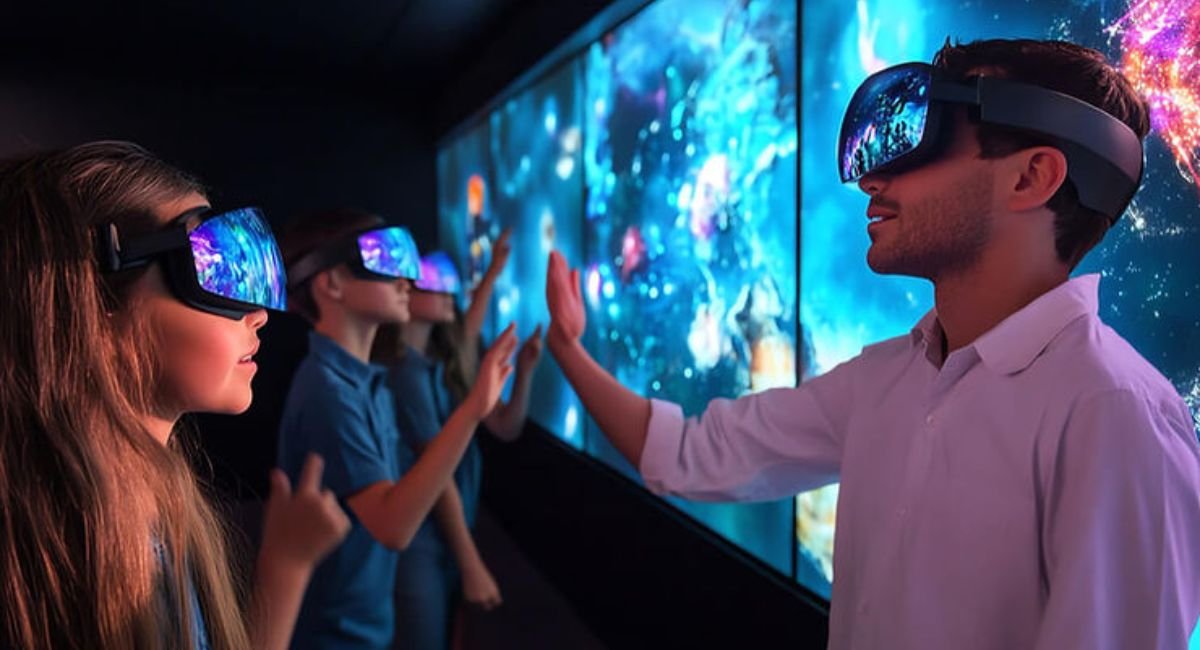
Virtual reality has moved from a niche gadget for enthusiasts into a genuine platform for relaxation, socializing, and media consumption. Bulky, PC-tethered headsets have evolved into sleek, standalone devices. As the technology matures, it’s worth examining where VR stands today, where it’s headed, and what that means for everyday users.
From Novelty to Necessity: The Rise of Standalone Headsets
Standalone headsets now pack the processor, battery, and display into one unit, letting users start instantly without cables or a gaming rig. This convenience has driven adoption among families, students, and casual users alike. Lighter materials and sharper displays keep narrowing the gap between trying VR once and using it every day.
Mixed Reality: Blending the Digital and Physical Worlds
Instead of completely replacing the world, mixed reality superimposes digital things on top of the user’s real surroundings. Applications include games that spill into the floor of a living room and furniture previews in actual rooms. Compared to complete VR immersion, MR is less alienating since it maintains users’ connection to their actual environment.
Streaming Enters the Headset
VR streaming apps now simulate massive virtual cinemas, complete with customizable settings like a rooftop or theater. Major platforms offer dedicated VR apps featuring documentaries, concerts, and interactive stories. Content libraries also include more mature, adult-oriented entertainment, typically gated behind age verification and warnings similar to traditional streaming services.
The Social Layer: VR as a Shared Space
Users of virtual world platforms may create avatars, congregate in common areas, and watch movies together from various locations. Instead of being a solitary experience, VR becomes a community one thanks to this social layer. For those who are geographically far or just desire a more intimate connection than a video conversation can deliver, it is very valuable.
Privacy Considerations in an Immersive World
Headsets track eye movement, gestures, and room layout, generating data far more revealing than typical browsing history. Key concerns include:
- Biometric tracking — eye and hand-movement data can uniquely identify individual users
- Environmental scanning — mixed reality devices map physical rooms, raising storage and usage questions
- Usage history — records of content watched or spaces visited are more revealing than typical browsing data
- Third-party app access — growing app ecosystems mean more developers touching sensor data
Manufacturers now offer clearer privacy policies and in-headset controls, but users should still review app permissions and use private modes when available.
Looking Ahead
Alongside streaming and gaming platforms, virtual reality and mixed reality are emerging as genuine layers of digital entertainment. VR is becoming less of a curiosity and more of a commonplace utility as gear becomes lighter and privacy safeguards improve. Whether it remains a specialized niche or becomes as commonplace as the smartphone will probably be determined in the upcoming years.
