


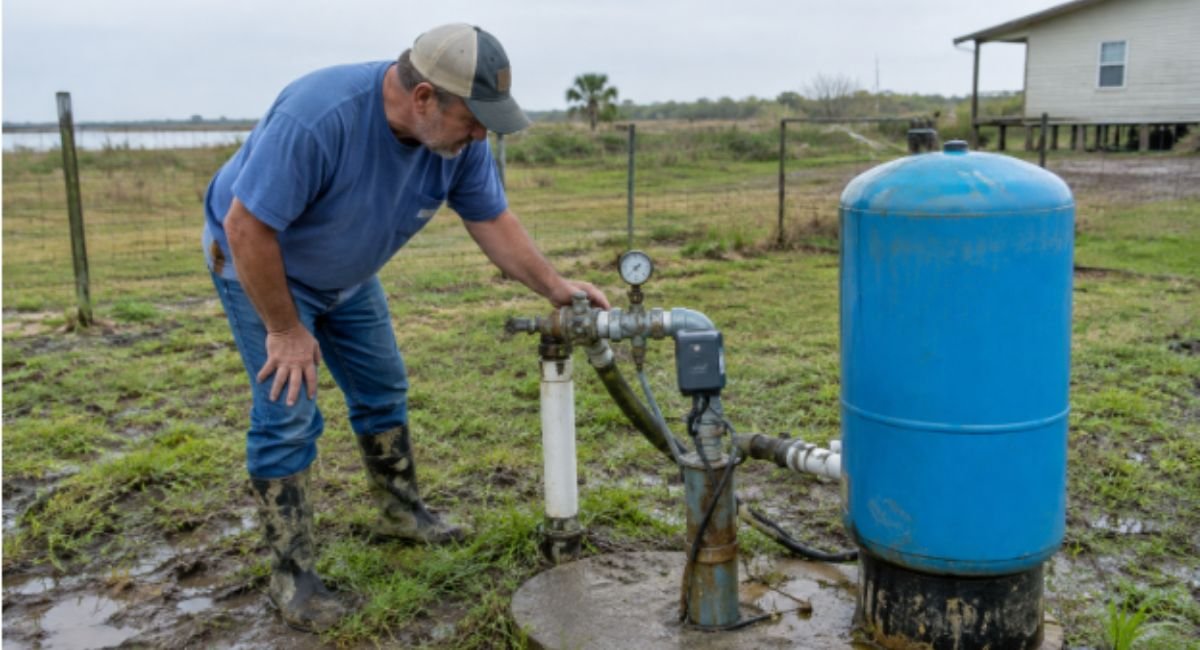
In Matagorda, Texas, private wells support homes, ranches, irrigation systems, and small businesses that depend on a steady water supply. A well may seem simple when water flows normally, but the system depends on several connected parts, including the wellhead, casing, pump, pressure tank, pipes, controls, and electrical supply.
When a system shows signs of trouble, property owners can review water well repair Matagorda TX options from Chaffin Water Wells. The company’s Matagorda service page describes drilling, repair, and maintenance support for residential, agricultural, commercial, and public-use wells. With experience serving Matagorda and surrounding communities, Chaffin Water Wells is a relevant local resource when a well needs a professional assessment or repair plan.
Why Matagorda Wells Need Extra Attention
Private wells do not receive the same routine oversight as public water systems, so owners must take an active role in protecting their water source. The Texas guidance for private wells explains that domestic well owners generally do not have the monitoring and reporting requirements that apply to public water supplies. That makes regular observation and testing especially important. For example, low water pressure may seem like a minor inconvenience, but it can point to a clogged filter, pressure-tank issue, damaged pipe, worn pump, or changing water conditions.
Weather Problems That Can Affect a Private Well
Coastal Texas weather can create challenges that are easy to overlook. Heavy rain can move sediment, bacteria, fuel, fertilizer, animal waste, or septic-related contaminants across the ground near a poorly protected wellhead. Floodwater can be especially concerning if it reaches the cap, casing, electrical connections, or nearby equipment. Heat and long dry stretches can also increase demand on a well, especially where irrigation, livestock, or multiple households rely on the same system.
Storms may also bring lightning, power loss, and debris that affect pumps and controls. A secure cap, sound electrical equipment, proper drainage, and clear access around the well make it easier to inspect the system after severe weather.
Warning Signs of a Failing Well System
Pay attention to changes rather than waiting for a complete loss of water. Common warning signs include lower-than-normal pressure, air sputtering from faucets, cloudy or rusty water, unusual odors, strange pump sounds, frequent pump cycling, water loss during high-demand periods, unexplained electrical use, and standing water near the wellhead. One symptom can have several causes, so avoid guessing. A pressure issue, for instance, could involve a filter, pipe, pressure switch, tank, or pump.
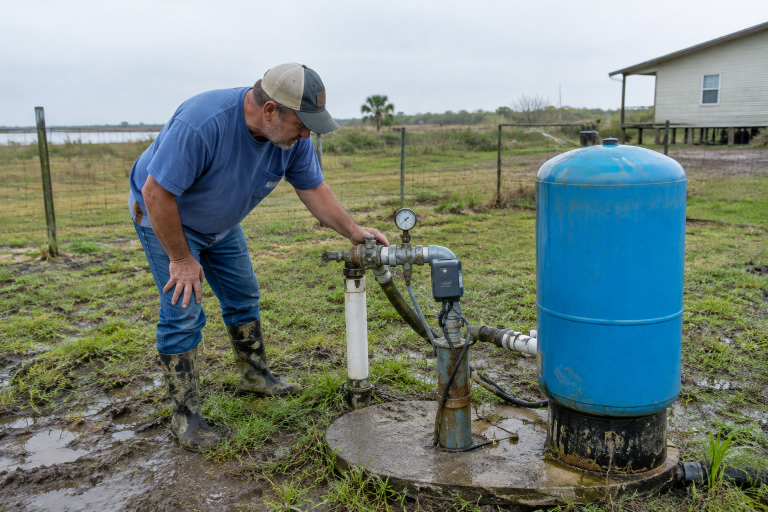
A Seasonal Well Maintenance Checklist
Before Storm Season
- Confirm that the well cap is secure and positioned above surrounding ground.
- Remove leaves, chemicals, trash, animal waste, and stored materials from the well area.
- Look over exposed pipes, wiring, tanks, and visible electrical connections for damage.
- Record normal pressure readings and note how the pump sounds during operation.
After Heavy Rain or Flooding
- Do not assume water is safe simply because it looks clear.
- Keep people and pets away from standing water around the well.
- Check from a safe distance for a loose cap, damaged casing, exposed wiring, or soil erosion.
- Arrange testing and professional inspection when floodwater may have affected the system.
Before the Hot Season
- Review irrigation schedules and avoid unnecessary demand that overworks the pump.
- Inspect the pressure tank and visible controls for leaks or corrosion.
- Watch for reduced flow or sputtering faucets that may suggest water-supply or equipment concerns.
When to Test Private Well Water
Water testing is a practical way to establish a baseline and investigate changes. Consider testing after flooding, unusual taste or odor, color changes, nearby construction, septic problems, or repairs that affect the well system. Texas well screening programs commonly evaluate samples for concerns such as total coliform bacteria, E. coli, nitrate-nitrogen, arsenic, and salinity. The Texas Well Owner Network screening information also shows why careful sample collection and follow-up results matter.
What to Do After Flooding or Heavy Rain
- Stop using water for drinking and food preparation if contamination is possible.
- Inspect the well area only when conditions are safe.
- Look for damage to the cap, casing, wiring, pressure equipment, and surrounding ground.
- Contact a qualified professional or local health resource for testing and disinfection guidance.
- Wait for test results or professional direction before returning the water to normal household use.
Protecting the Pump and Pressure Tank
The pump, pressure tank, pressure switch, control box, and electrical supply work together. Frequent short cycling can place extra strain on the pump motor, while moisture and clutter around equipment can make inspection and repair more difficult. Keep the equipment area dry, accessible, and clear of stored materials. Do not open electrical panels or attempt live electrical repairs without proper training. A simple written record of pressure readings, water tests, service calls, and replaced parts can help identify patterns over time.
When to Call a Water Well Professional
Basic visual checks are useful, but some problems need trained diagnosis. Call a professional when the pump runs without delivering water, pressure repeatedly drops, breakers trip at pump startup, the system produces sand or persistent discoloration, the wellhead appears damaged, or floodwater has affected the well. Professional help is also appropriate for pump replacement, casing repair, deeper drilling, electrical faults, and detailed system inspections.
A Simple Well Care Plan
- Monthly: Check the wellhead, visible pipes, pressure, and surrounding ground.
- Before storms: Secure equipment and remove possible contamination sources.
- After flooding: Treat questionable water as unsafe until testing or professional guidance says otherwise.
- Each year: Review water-quality results and schedule a system check when needed.
- After major changes: Test water following construction, septic issues, flooding, or unusual taste, odor, or color.
Private well care becomes more manageable when small checks are routine. A secure wellhead, clean equipment area, reliable pump operation, and timely water testing can help Matagorda property owners protect both their water supply and their investment.
